

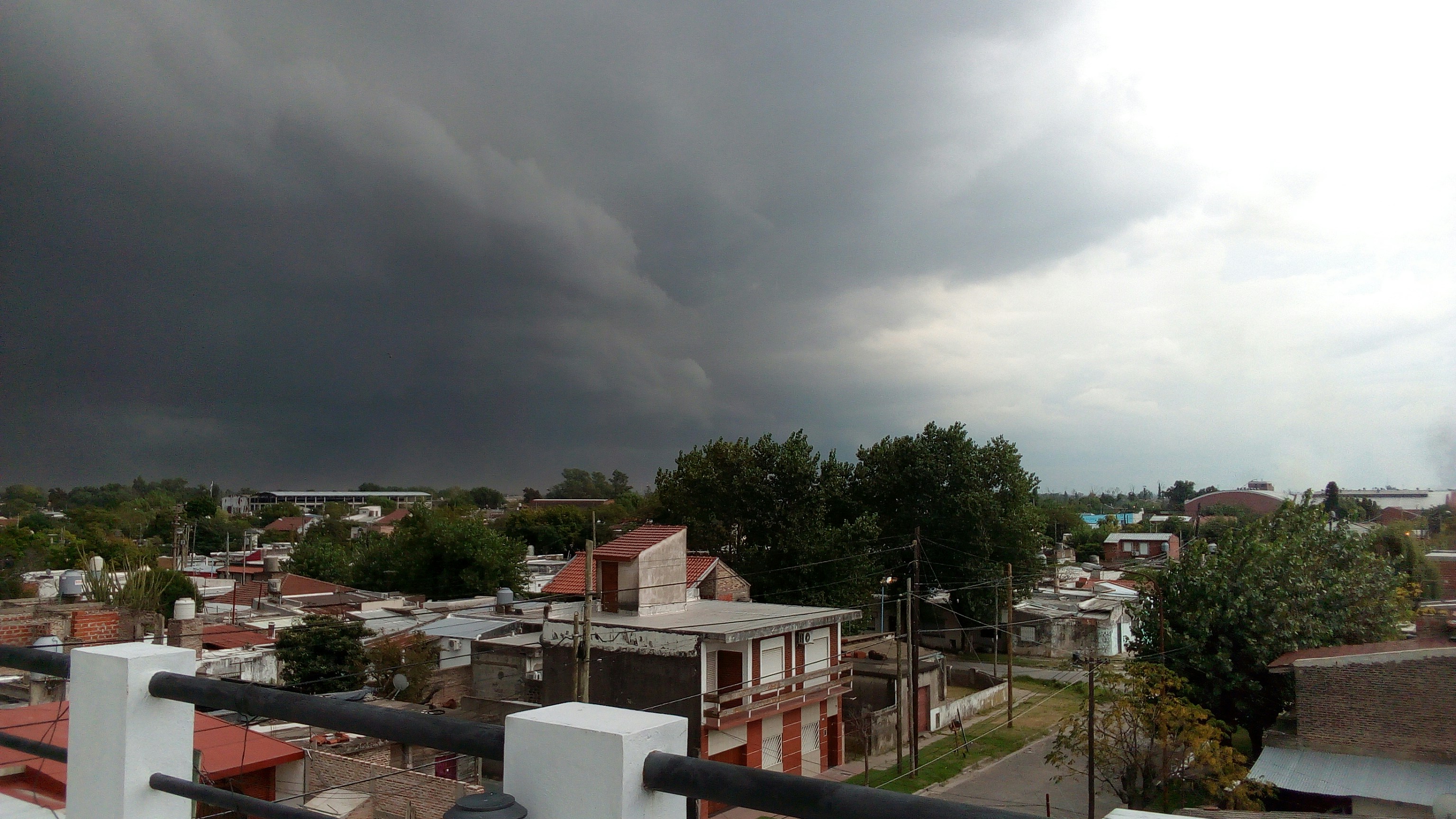
On the afternoon of September 4th, a moderate hail event moved across the eastern suburbs of Denver — the kind of storm that generates a few hundred claims, keeps adjusters busy for a week, and gets logged as routine. What made this one different was not the storm. It was the paperwork.
Seventeen claims, all from homes within a six-block radius, all filed within forty-eight hours, all citing the same damage description, all represented by the same public adjuster. The carrier's SIU team might have caught it in three weeks. An adjuster named Renata Solano caught it in three hours, because she had been watching the numbers wrong for years and finally started watching them right.
The tool she used wasn't proprietary. It was a $180-per-month subscription that overlays NOAA storm cell data against policy addresses and flags statistical clustering. She had been asking her manager to approve the expense for fourteen months.